Alewife from Belfast Community Media on Vimeo.
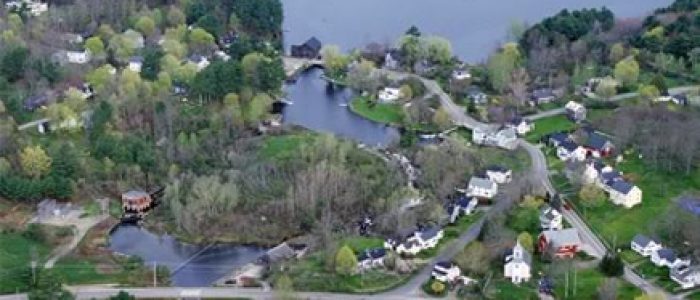
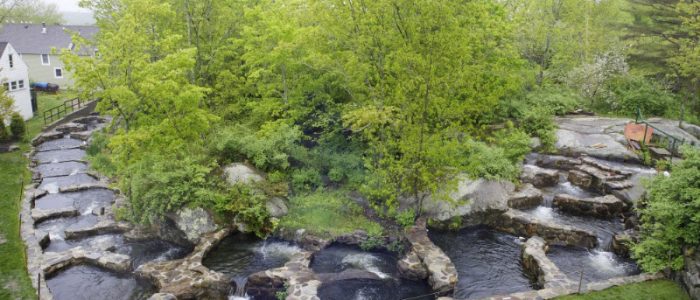
Welcome to historic Damariscotta Mills, Maine – home to one of Maine’s oldest and most productive alewife fisheries. The stone fish ladder that is the centerpiece of Damariscotta Mills was constructed in 1807 by the Towns of Nobleboro and Newcastle because, for nearly a century, mills blocked access for fish to the freshwater falls. In 2007, after two centuries of use, the fish ladder was in poor condition so a restoration project was initiated by a strong community group working with the Towns of Nobleboro and Newcastle and the Nobleboro Historical Society.
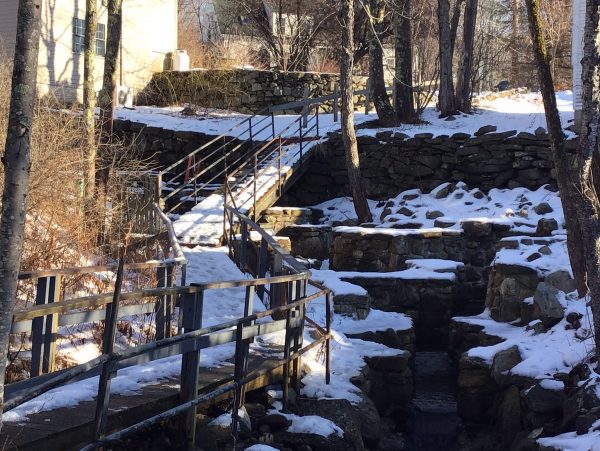

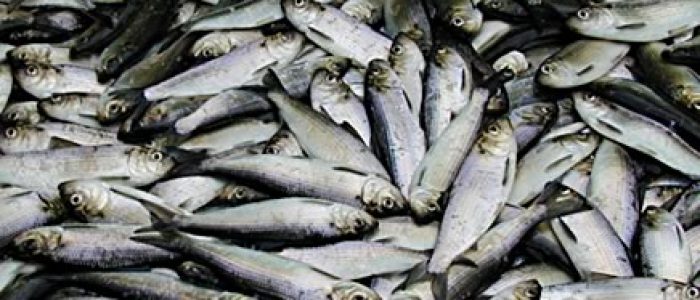
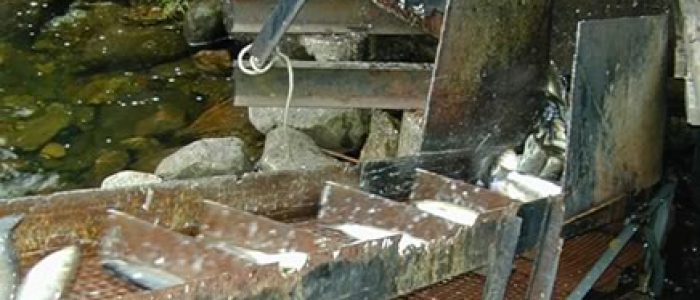
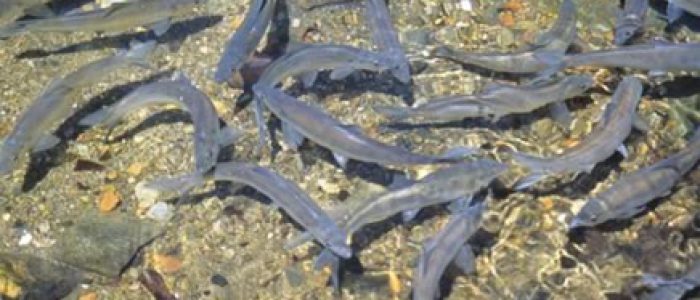
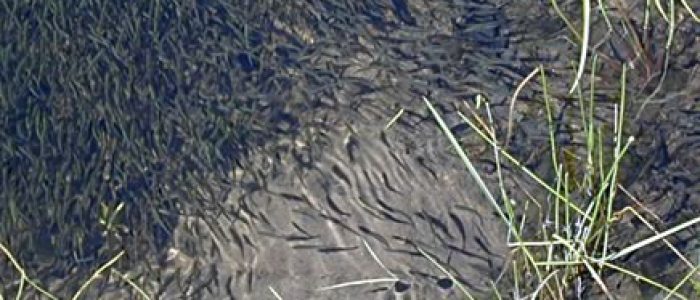
Restoration of the fish ladder has had a signficant positive impact on the health of the Damariscotta River alewife stocks. Alewives are an important part of the food chain and they contribute to the health of the marine environment and to the lakes and streams where the fish spawn. In the spring, a few harvested alewives are smoked as “people food” but most serve as a source of fresh bait for local lobstermen. The Towns of Newcastle and Nobleboro have harvested alewives since the 1700s and, by balancing conservation and economic goals, they have carefully tended the Damariscotta River alewife stocks. Today, all funds received for harvested alewives are spent to maintain and restore the fish ladder and harvesting area.

Alewife from Belfast Community Media on Vimeo.
Welcome to historic Damariscotta Mills, Maine – home to one of Maine’s oldest and most productive alewife fisheries. The stone fish ladder that is the centerpiece of Damariscotta Mills was constructed in 1807 by the Towns of Nobleboro and Newcastle because, for nearly a century, mills blocked access for fish to the freshwater falls. In 2007, after two centuries of use, the fish ladder was in poor condition so a restoration project was initiated by a strong community group working with the Towns of Nobleboro and Newcastle and the Nobleboro Historical Society.
Restoration of the fish ladder has had a signficant positive impact on the health of the Damariscotta River alewife stocks. Alewives are an important part of the food chain and they contribute to the health of the marine environment and to the lakes and streams where the fish spawn. In the spring, a few harvested alewives are smoked as “people food” but most serve as a source of fresh bait for local lobstermen. The Towns of Newcastle and Nobleboro have harvested alewives since the 1700s and, by balancing conservation and economic goals, they have carefully tended the Damariscotta River alewife stocks. Today, all funds received for harvested alewives are spent to maintain and restore the fish ladder and harvesting area.
Alewife from Belfast Community Media on Vimeo.
Welcome to historic Damariscotta Mills, Maine – home to one of Maine’s oldest and most productive alewife fisheries. The stone fish ladder that is the centerpiece of Damariscotta Mills was constructed in 1807 by the Towns of Nobleboro and Newcastle because, for nearly a century, mills blocked access for fish to the freshwater falls. In 2007, after two centuries of use, the fish ladder was in poor condition so a restoration project was initiated by a strong community group working with the Towns of Nobleboro and Newcastle and the Nobleboro Historical Society.

Fish Happenings
Alewife time is getting close!
It’s been a long cold winter but early spring is here and that means it’s almost time for the alewives to arrive in Damariscotta Mills! Water in now running through the fish ladder pools, the netting to keep gulls from grabbing fish in pools is on, and each pool has been checked for winter damage. […]
The 2025 alewife run is coming to an end
We had more alewives in for the past few days but the rain has effectively brought an end to this year’s run. What a strange year….a year with too much rain!
Harvesting is over for 2025
Harvesting alewives is over for 2025.
Harvesting is over for the year
June 2, 2024 Harvesting for 2024 ended on Friday, May 31. Thanks to the many fishermen who supported the harvesting operation. See you next year!
See alewives and check out fish ladder goods and gear this weekend!
Friday, May 31 The alewives have slowed down a bit but there are still plenty to see if you visit the fish ladder this weekend. And, fish ladder goods and gear will be for sale at the fish house, definitely on Saturday, June 1, from 11am – 3pm and on Sunday too if there’s any […]
Thinking of and thanking veterans on Memorial Day!
Monday, May 27 On this damp Memorial Day, there are plenty of alewives to see in the fish ladder. Harvesting took place this morning at 5 am and will continue mornings at 5am and afternoons at 3pm, Monday through Friday, until the fish are gone or until June 5, whichever comes first. For photographers, there […]